

Most people who land on your website aren’t ready to buy the moment they arrive. They’re comparing options, checking prices, or just browsing to see if you’re a good fit. Without something in place to capture their interest, the overwhelming majority of them leave and never come back. That’s the exact gap lead generation systems are built to close, turning a quiet visit into an actual conversation.
The idea is simple even though the execution takes real thought: give visitors a reason to hand over their contact information before they leave, then follow up in a way that moves them naturally toward a decision. Done well, this happens without visitors feeling pushed, and it happens automatically, without someone manually watching every visitor in real time.
Most businesses already spend money getting visitors to their site through ads, search, or word of mouth. What often gets overlooked is what happens after someone actually arrives. If there’s no system waiting to catch that attention, a large share of that spend simply evaporates the moment someone closes the tab.
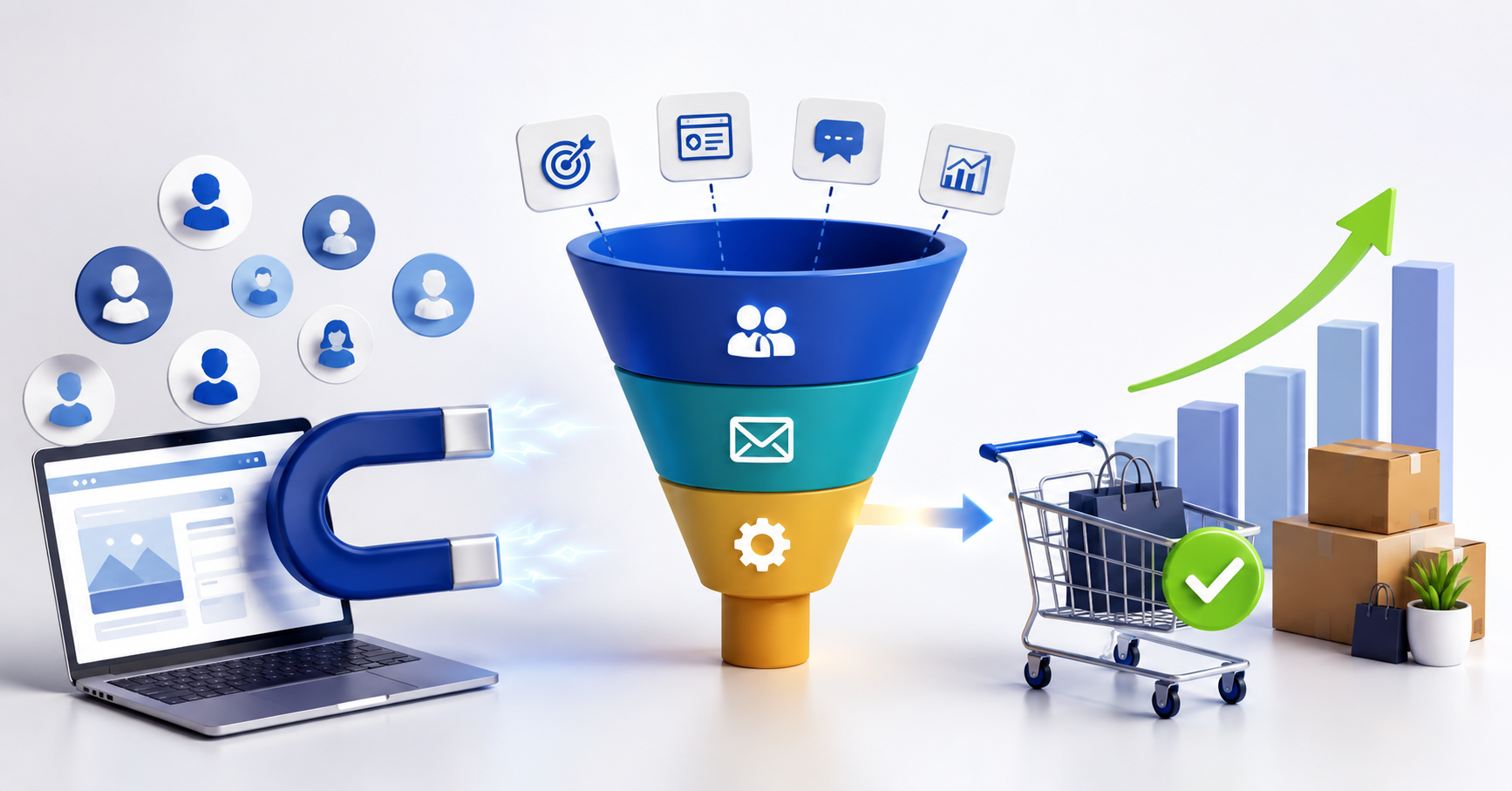
Capturing Interest Before Visitors Leave
The first job of any lead capture system is simple: give people a reason to stay in touch even if they’re not ready to buy today. That might be a helpful guide, a free consultation, a quote form, or a chatbot that answers a quick question and asks for an email in return. This is where a well-designed best AI chatbot for your website genuinely earns its keep. Instead of a static contact form that most visitors ignore, an interactive chat experience feels like getting a question answered, not filling out paperwork, and that small shift in experience meaningfully increases how many visitors actually engage. The goal at this stage isn’t to close a sale. It’s to open a door that stays open after the visitor leaves the page. What you offer at this stage matters just as much as the mechanism itself. A generic “contact us for more information” rarely performs as well as something specific: a free estimate, a short quiz that gives a personalized answer, or a direct answer to the exact question the visitor came to the page with. If you’re not sure what would work for your particular audience, it’s worth talking through your options directly before building out a capture flow that ends up underperforming.Following Up Before Interest Fades
Capturing a lead is only half the job. What happens in the minutes and hours afterward often decides whether that lead ever becomes a customer. A lead who gets a thoughtful response within minutes is far more likely to convert than one who waits a day, by which point they’ve usually already contacted a competitor or simply moved on. This is exactly why so many effective lead generation strategies now lean on automated but genuinely helpful follow-up. Looking at how the best AI chatbots are transforming sales, support, and marketing shows how far this has come. A well-configured chatbot can answer common questions, qualify a lead’s needs, and hand off to a real person only once that person is actually ready for a conversation, saving your team’s time for the leads who need it most. Speed matters more than most businesses realize. It’s often the single biggest factor separating leads that convert from leads that quietly go cold. Businesses that track this closely tend to find that leads contacted within the first five minutes convert at several times the rate of leads contacted even an hour later, which is a sobering number once you realize how many leads sit in an inbox overnight without anyone noticing.Making Sure No Lead Falls Through the Cracks
Even with great capture and fast follow-up, leads still slip through the cracks when there’s no consistent system tracking where each one stands. A lead who doesn’t respond to the first message needs a second touch. One who goes quiet for a week might need a different kind of nudge entirely. This is the layer that connects lead capture to everything else running behind the scenes. A business automation platform that ties your forms, chatbot, and follow-up sequences together ensures nothing gets forgotten just because a human didn’t happen to notice it. TruCreatives builds this connective layer specifically so a lead’s journey doesn’t depend on someone remembering to check a list manually every morning. Without this kind of system tracking things consistently, even a strong initial capture strategy leaks value quietly over time, one missed follow-up at a time. It’s rarely one dramatic failure that costs a business the most leads. It’s a slow accumulation of small gaps: a lead who never got a second message, a form submission that landed in a spam folder nobody checked, a phone call that should have happened on day two but didn’t happen until day nine, if it happened at all.